


How Coloring Helps Develop Fine Motor Skills in Toddlers
- Emily

- Mar 31
- 5 min read

Coloring might seem like a simple, fun activity—but for toddlers, it’s actually a powerful developmental tool. Behind every scribble and crayon stroke, important skills are forming that will help your child grow, learn, and succeed in everyday tasks.
If you’ve ever wondered whether coloring really makes a difference, the answer is a big yes. In this guide, we’ll explore how coloring supports fine motor skill development, why it matters, and how you can make the most of it at home.
What Are Fine Motor Skills?
Fine motor skills refer to the ability to use the small muscles in the hands, fingers, and wrists. These skills are essential for everyday activities such as:
Holding a pencil or crayon
Writing and drawing
Buttoning clothes
Using utensils
Turning pages in a book
For toddlers, these abilities are still developing. Activities like coloring give them the practice they need to strengthen these small but important muscles.
Why Fine Motor Skills Are Important in Early Childhood
Fine motor development is closely linked to a child’s independence and confidence. When toddlers build these skills early, they are better prepared for:
Preschool and kindergarten tasks
Writing and drawing activities
Self-care routines (like dressing and feeding themselves)
Hand-eye coordination tasks
Without strong fine motor skills, children may struggle with basic tasks, leading to frustration and reduced confidence.
How Coloring Builds Fine Motor Skills
Coloring is more than just filling in shapes—it engages multiple developmental areas at once. Let’s break down exactly how it helps.
1. Strengthens Hand and Finger Muscles
When toddlers grip crayons, markers, or colored pencils, they are exercising the small muscles in their hands.
Each time they:
Press down on the crayon
Move it across the page
Adjust their grip
…they are building strength and control.
This muscle development is essential for later skills like writing, cutting with scissors, and tying shoelaces.
2. Improves Hand-Eye Coordination
Coloring requires toddlers to coordinate what they see with how their hands move.
For example:
Staying within the lines
Choosing where to color next
Following shapes and patterns
These actions strengthen the connection between visual input and physical movement—an important skill used in sports, reading, and everyday tasks.
3. Develops Proper Grip and Control
At first, toddlers may hold crayons with their whole fist. Over time, with practice, they learn to use a more refined grip.
Coloring helps them transition through stages:
Palmar grasp (whole hand)
Digital grasp (fingers only)
Tripod grip (thumb, index, and middle finger)
This progression is crucial for writing readiness.
4. Enhances Precision and Control
Coloring encourages toddlers to control their movements more carefully.
They learn to:
Stay inside lines
Color smaller areas
Use lighter or heavier pressure
These skills improve precision, which is necessary for tasks like writing letters and drawing shapes.
5. Encourages Bilateral Coordination
Bilateral coordination means using both hands together in a coordinated way.
During coloring:
One hand holds the paper steady
The other hand colors
This cooperation between hands is essential for activities like cutting, dressing, and typing later in life.
6. Builds Focus and Concentration
Coloring naturally encourages toddlers to slow down and focus on a task.
As they become absorbed in coloring:
Their attention span increases
They practice completing activities
They develop patience
These are foundational skills for school readiness.
7. Supports Creativity and Self-Expression
While developing motor skills, toddlers are also exploring creativity.
They learn to:
Choose colors
Express emotions through art
Make independent decisions
This combination of physical and creative development makes coloring especially valuable.

The Science Behind Coloring and Development
Research in early childhood education shows that hands-on activities like coloring stimulate brain development. When toddlers engage in coloring:
Neural pathways are strengthened
Sensory and motor systems work together
Cognitive and physical development are linked
This means coloring doesn’t just help with hand strength—it supports overall learning and development.
Best Types of Coloring Activities for Toddlers
Not all coloring activities are the same. To maximize benefits, choose age-appropriate options.
🖍️ Simple Shapes and Large Images
Toddlers do best with:
Big pictures
Thick outlines
Simple designs
These make it easier for them to practice control without frustration.
🐰 Themed Coloring Pages (Like Easter!)
Seasonal themes make coloring more exciting and engaging.
Examples:
Easter bunnies
Eggs and baskets
Chicks and spring flowers
Fun themes encourage longer engagement and repeated practice.
🎨 Free Coloring (No Rules)
Let toddlers color freely without worrying about staying inside the lines.
This helps:
Build confidence
Encourage exploration
Reduce pressure
✏️ Mixed Tools
Introduce different tools to strengthen muscles in new ways:
Crayons (great for beginners)
Markers (require more control)
Colored pencils (build precision)
Tips for Parents to Encourage Fine Motor Development Through Coloring
Here’s how you can make coloring even more effective and enjoyable.
1. Choose the Right Materials
Use thick crayons for small hands
Try triangular crayons for better grip
Offer washable markers for easy cleanup
2. Create a Comfortable Space
Set up a child-friendly area with:
A stable table
Proper seating
Good lighting
Comfort helps toddlers focus longer.
3. Keep Sessions Short and Fun
Toddlers have short attention spans. Aim for:
10–20 minute sessions
Multiple short activities per day
4. Encourage, Don’t Correct
Avoid saying things like “stay in the lines.”
Instead:
Praise effort
Celebrate creativity
Let them explore
Confidence is key to learning.
5. Color Together
Join your child during coloring time.
This:
Builds bonding
Models proper technique
Makes the activity more engaging
6. Combine Coloring with Learning
Turn coloring into an educational activity:
Name colors out loud
Count objects on the page
Talk about shapes and animals
Common Mistakes to Avoid
Even simple activities can be less effective if done incorrectly.
❌ Expecting Perfection
Toddlers are learning—scribbles are normal and important.
❌ Using Complex Coloring Books
Too many details can frustrate young children.
❌ Forcing the Activity
If a child isn’t interested, take a break and try again later.
❌ Overcorrecting Grip Too Early
Let natural development happen before insisting on proper grip.
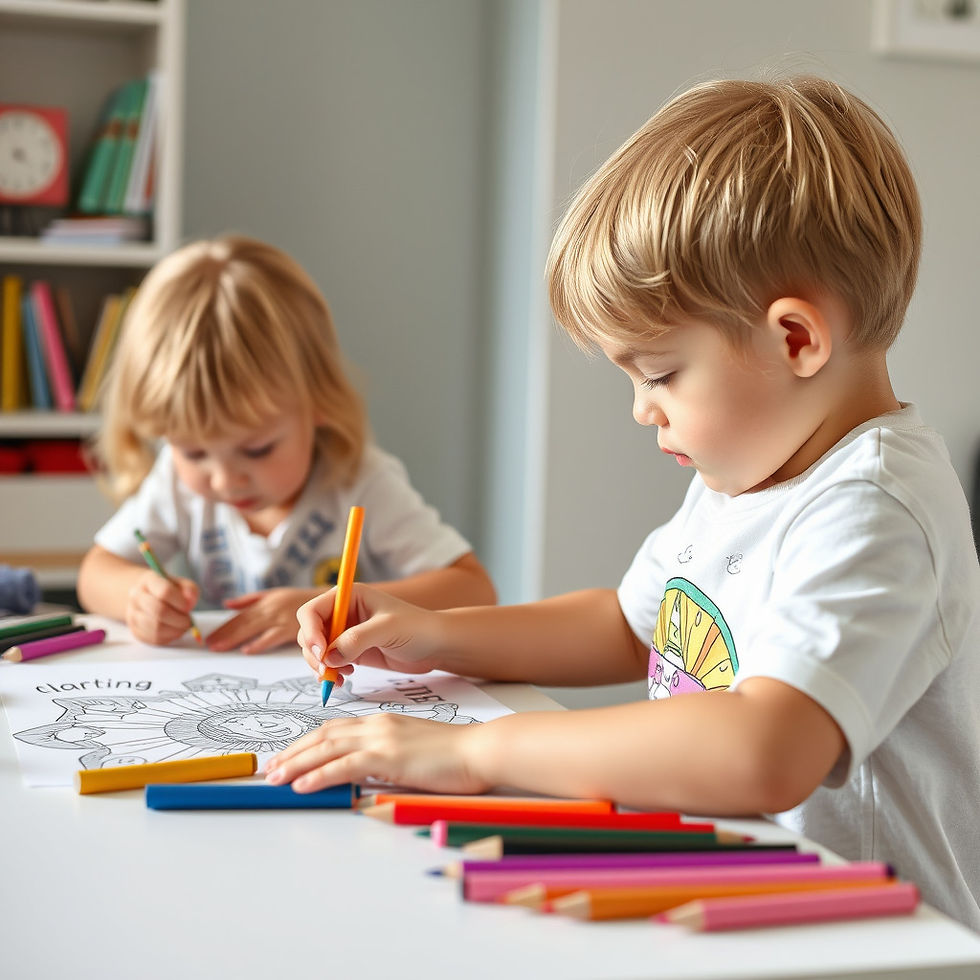
Signs Your Toddler Is Improving Fine Motor Skills
You may notice progress over time, such as:
Holding crayons more comfortably
Using fingers instead of the whole hand
Coloring with more control
Staying engaged longer
Showing interest in drawing or writing
These are all positive signs of development.
How Coloring Prepares Toddlers for Writing
Coloring lays the foundation for writing in several ways:
Strengthens hand muscles needed for pencil control
Teaches directional movement (left to right)
Improves grip and posture
Builds confidence in using writing tools
Children who color regularly often transition more easily into writing letters and numbers.
Making Coloring a Daily Habit
Consistency is key to development.
Try incorporating coloring into your daily routine:
Morning quiet time
After nap activities
Before bedtime wind-down
Even a few minutes each day can make a big difference.
Final Thoughts
Coloring is one of the simplest yet most powerful activities you can offer your toddler. It supports fine motor skill development, boosts creativity, and prepares children for future learning—all while being fun and engaging.
By providing the right tools, encouragement, and opportunities, you’re helping your child build essential life skills one crayon stroke at a time.
So the next time your toddler picks up a crayon, remember—they’re not just coloring… they’re growing.


Comments